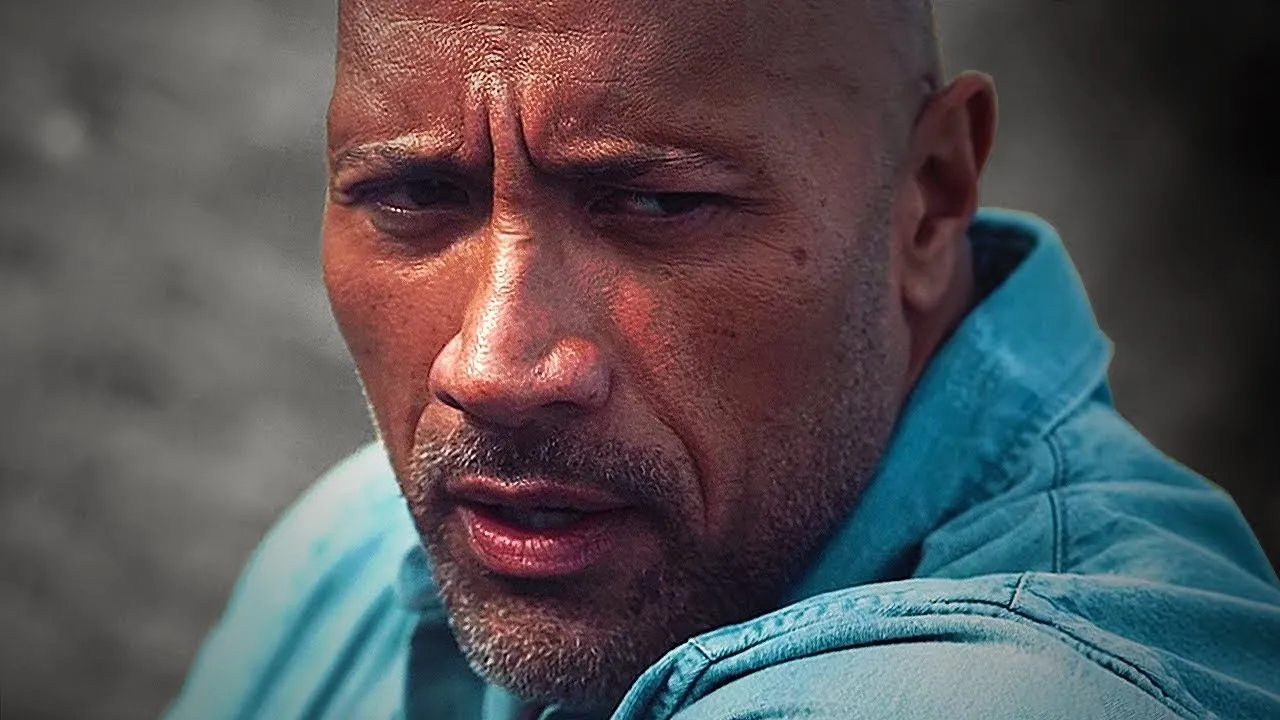
Dwayne “The Rock” Johnson’s rise from a difficult period in his youth to becoming a global sports-entertainment and Hollywood figure is one of the better-known career stories in modern popular culture. Born on May 2, 1972, in Hayward, California, Johnson grew up around professional wrestling through his father, Rocky Johnson, and grandfather, Peter Maivia.
But his early path was far from guaranteed. Johnson pursued football and played at the University of Miami before his professional football plans did not work out as expected. He later turned toward professional wrestling, following the family tradition that had shaped much of his early life.
The often-repeated story that Johnson had only a few dollars when his football career stalled captures the financial pressure he has discussed from that period. More importantly, the experience became a turning point: instead of treating one failed career path as the end of his options, he moved into a field where he could build on his athletic background and family experience.
Johnson made his WWE debut as Rocky Maivia at Survivor Series in November 1996. WWE records his early career and later championship success, including multiple WWE Championship reigns and his rise into one of the company’s most recognizable performers.
His wrestling career also shows an important part of building a personal brand: adapting when the first version of that brand does not connect with the audience. Johnson initially struggled to establish himself, but his later transformation into The Rock gave him a stronger identity and helped turn his wrestling popularity into a much larger entertainment career. WWE’s own retrospective notes that he eventually found a persona that worked with audiences during his rise in the late 1990s.
That transition became especially important when Johnson moved beyond wrestling and into film and television. His entertainment career expanded his audience from wrestling fans to a much wider global market, creating opportunities across acting, brand endorsements and business ventures. WWE also notes his later work in major films and television projects.
From a business strategy perspective, Johnson’s story is less about one dramatic breakthrough and more about combining several assets over time: athletic credibility, entertainment skills, a recognizable personal brand and a large audience. That combination is increasingly important in the modern creator economy, where public figures can build value across several industries rather than relying on a single profession.
His career also shows why social media influence can become a business asset when it is connected to an established personal identity. A large audience can support brand endorsements, entertainment projects and direct communication with fans, while strong audience trust can make a public figure more valuable to commercial partners. In this sense, Johnson’s career reflects the wider shift from traditional celebrity to personal-brand businesses.
Claims about Johnson’s exact net worth should be treated carefully. The commonly repeated $350 million figure is an estimate rather than an officially confirmed personal balance sheet, and private business interests, contracts, investments and changing asset values can make such figures difficult to verify precisely. It is therefore more accurate to describe Johnson as a highly successful entertainer and entrepreneur than to present a specific net-worth figure as a confirmed fact.
For ordinary viewers, the practical lesson is not that every setback will lead to celebrity-level success. The more useful takeaway is that a failed plan does not always mean the end of a career. Johnson’s path moved through football, professional wrestling and film, with each stage adding experience, relationships and audience reach. His story demonstrates how skills developed in one field can sometimes become useful in another.
The broader impact can also be seen in brand value. Johnson’s name has developed beyond a wrestling identity into a recognizable entertainment brand, while his career illustrates how athletes and entertainers can turn audience attention into long-term commercial opportunities. For businesses, the case highlights the value of consistency, audience connection and a clear personal identity. For creators, it shows why building skills and trust can matter as much as chasing short-term attention.
As observed in the documented career record, Johnson’s rise was not a single overnight transformation from “zero to hero.” It was a series of career changes, setbacks, reinventions and opportunities that gradually increased his reach. That distinction matters because it makes the story more useful: success often comes from making the next workable move rather than knowing the entire path in advance.
Based on publicly available career records and recent digital information, readers should treat specific financial figures and personal claims circulating online as estimates unless they are supported by an official statement or reliable financial source. WWE’s documented career history confirms his wrestling debut and major achievements, while broader claims about personal wealth require separate verification.
Dwayne Johnson’s journey ultimately offers a broader lesson for the creator economy and entertainment industry: personal brands can evolve when people are willing to adapt, learn from setbacks and carry useful skills into new markets. His story remains relevant not simply because of his fame, but because it shows how a career can change direction without losing the value built along the way.
SOURCE: NightiConsulting