Meta has introduced Muse Wonder and Muse Wonder Full, two advanced AI models designed to compete with leading systems from OpenAI and Anthropic. Announced on October 12, 2026, the models mark an important step in Meta Platforms’ efforts to strengthen its position in the artificial intelligence industry. The new systems focus on coding, memory, financial analysis, legal tasks, health-related questions, and AI agents that can handle complex work with less human guidance.
Meta says the models deliver strong results on several industry benchmark tests. However, independent testing and real-world use will be important in deciding how well they perform against competing AI systems. The launch also shows that the AI race is moving beyond chatbots toward tools that can help people complete tasks from beginning to end.
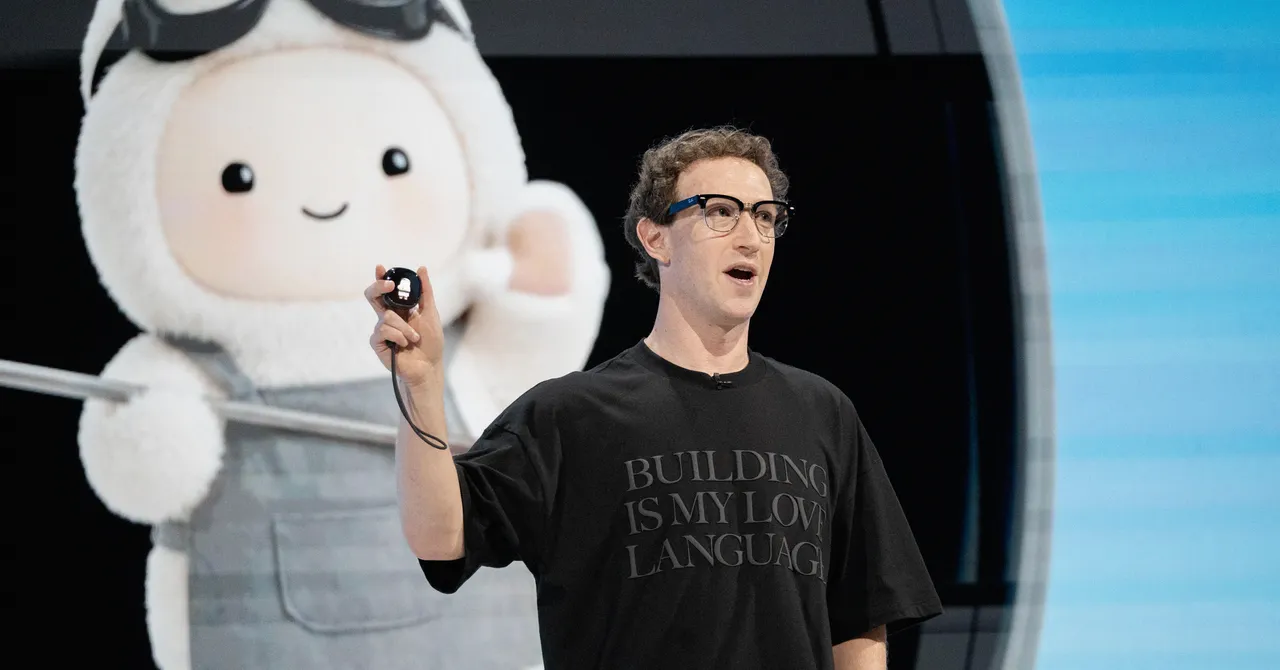
The development follows a major change in Meta’s AI strategy under CEO Mark Zuckerberg. The company rebuilt parts of its AI research effort and brought in Alexandr Wang, the former head of Scale AI, as part of its wider investment in AI talent and technology. The new Muse Wonder models are a result of that wider effort to improve Meta’s ability to build advanced AI systems.
Unlike a basic chatbot that mainly answers questions, the new models are designed to support AI agents. These systems can work through several steps, use information from earlier interactions, and adjust their approach when a task becomes difficult. Meta calls two of these features Active Memory and Active Focus. Active Memory helps the models keep useful details from earlier conversations, while Active Focus is designed to help them continue working toward a goal, recover from errors, and ask for clarification when needed.
These features could make AI more useful in everyday work. For example, a business owner might use an AI agent to review a lease, organise information for an insurance claim, or prepare an early draft of a business plan. A developer could use it to write and test code or build an early version of an application. However, users should still review important results, especially when decisions involve money, contracts, health, or legal matters.
The biggest question is whether Meta can match or outperform its rivals in real-world use. The company has presented benchmark results that place its new models alongside leading systems from OpenAI and Anthropic. Such tests help compare performance across selected tasks, but they do not always show how a model will perform in every situation. Results can also depend on the type of test, the model version, and the way a task is given. Independent reviews from researchers, developers, and businesses will provide a clearer picture of the models’ strengths and limits.
The launch also has a business purpose. Advanced AI models require major spending on computing power, research, infrastructure, and skilled employees. Meta needs to turn that investment into useful products that attract users and support long-term growth. Its large social media user base gives it a possible advantage when introducing AI tools to consumers, but strong technology alone will not guarantee success. The company must also show that its products are reliable, easy to use, and worth paying for.
Meta plans to make Muse Wonder available through its developer tools and coding products, while Muse Wonder Full is available to subscribers of Muse Code. The company has also said that Muse Wonder will soon support features in its Muse consumer app, with subscribers receiving access first. This approach allows Meta to serve developers and paying customers while preparing to bring more advanced AI features to a wider audience.
Pricing and access may become important factors in the competition. Developers need to consider not only the quality of an AI model but also the cost of using it, how quickly it responds, and how well it fits existing work systems. For everyday users, the best option may depend on whether they need help with simple questions, research, coding, or tasks that require several steps. Comparing tools on the same practical task is more useful than choosing one only because a company claims it has the strongest model.
Safety and privacy are equally important as AI agents gain the ability to work with personal and business information. Meta says it has built safeguards into the Muse Wonder models to reduce the risk of harmful actions and unauthorised sharing of private information. However, the company has said that further safety evaluations will be published, so the full picture will develop as more information becomes available.
AI agents can create additional risks because they may work across messages, calendars, documents, and other connected services. Giving an AI tool access to sensitive information could make it more helpful, but it also increases the importance of clear permissions and strong security. Users should avoid sharing passwords, full payment card details, or other sensitive information unless access is necessary and the service provides suitable protections. They should also check the tool’s data settings and review any action before allowing it to send a message, make a purchase, or change important records.
The wider impact could extend to brand value, the creator economy, and business strategy. More capable AI tools may help creators plan content, prepare drafts, organise research, and handle routine work. Small businesses could use them to reduce some manual tasks, while larger companies may explore AI agents for software development, customer support, and internal operations. These benefits will depend on the quality of the results, the time saved, and the cost of checking AI-generated work.
For Meta, a successful launch could strengthen its reputation as an advanced AI developer rather than a company that mainly uses AI to improve its existing social media platforms. It could also create new subscription and developer-service opportunities. However, the effect on brand value and future revenue will depend on user adoption, customer trust, operating costs, and the company’s ability to keep improving its models. Any impact on Meta’s financial performance or net worth should be treated as uncertain until supported by reliable financial evidence.
For users, the main lesson is that the AI market is offering more specialised choices. A general chatbot, a coding assistant, and an AI agent may serve different needs, even when they use advanced language models. Testing a tool on a real task, checking its answers, reviewing its privacy terms, and understanding its price can help users decide whether it offers practical value.
Meta’s Muse Wonder launch is an important step in its effort to compete with OpenAI and Anthropic. Yet the announcement is the beginning of a longer test, not proof that one company has won the AI race. Independent performance checks, safe use, fair pricing, and real customer demand will determine whether these models can turn technical progress into lasting business value.
Verification note: This report is based on Meta’s public announcement and recent reporting on its AI models. Performance comparisons reflect claims and test results reported by the company and should not be treated as a guarantee of results in every use case. Further technical and safety details should be checked against official reports and independent evaluations as they become available.
SOURCE: Review of official company updates and publicly available technology reporting.